

eCommerce Solutions: The Secret to Smarter Online Selling

-
Author Diginyze
-
Published November 18, 2026
-
2 comments Join the Conversation


Starting an online store is exciting. But getting customers to click “Buy” is only half the job. You also need to keep products in stock, process payments smoothly, deliver orders on time, and give customers a reason to return. When these pieces don’t work together, growth can become stressful.
That’s where eCommerce solutions come in. They make it easier to sell online by connecting essential functions such as storefront management, payments, inventory, order processing, and fulfillment. Whether you’re launching your first online store or expanding into B2B and new sales channels, the right solution can simplify operations, improve the customer experience, and support business growth.
What Is an eCommerce Solution?
An eCommerce solution combines the software, tools, integrations, and services a business uses to sell online. Unlike a basic informational website, it also supports transactions and the operations behind them.
Capabilities include product catalogs, storefronts, inventory, payments, fulfillment, customer engagement, and analytics. Businesses looking to unify these functions through AI-powered commerce solutions can create a more connected customer and operational experience.
Why eCommerce Solutions Matter for Business Growth
Customers expect an easy path from product discovery to delivery. Friction can cost sales, while a consistent experience encourages repeat purchases.
Connected commerce tools link storefronts with back-office processes, helping teams reduce manual stock updates, prevent delays, and maintain accurate information as products, markets, and channels expand.
Types of eCommerce Solutions
All-in-One Solutions
These bundle storefronts, checkout, product management, and common tools into one eCommerce platform. They suit small and midsize businesses seeking a quick launch. Customizable ecommerce themes can help create a branded, mobile-friendly store.
Open-Source eCommerce Solutions
An open-source eCommerce platform offers greater control over code and customization. It suits businesses with development resources that can manage hosting, upgrades, security, and maintenance.
Headless eCommerce Solutions
Headless ecommerce separates the commerce engine from customer-facing design, allowing product and order systems to support websites, apps, and other touchpoints. It offers flexibility but requires more technical planning.
Custom eCommerce Solutions
Custom solutions support specialized business needs. They are well-suited for B2B ecommerce environments that require negotiated pricing, quotations, approvals, and complex catalogs. However, the increased flexibility should be balanced against higher development and support costs.
Key Features of a Modern eCommerce Solution
Inventory and Order Management
A shared view of stock and orders helps prevent overselling and identify delays. Connected data improves accuracy and reduces reconciliation work, helping teams handle more orders with less manual effort.
Secure Payment Gateway Integration
Payment integrations offer familiar methods and a smoother checkout. Secure transactions build trust, simplify reconciliation, and help turn more product visits into completed purchases.
Multi-Channel Selling Capabilities
Customers discover products through websites, marketplaces, social channels, and mobile devices. Effective omnichannel ecommerce strategies help businesses synchronize these touchpoints while maintaining consistent inventory and order visibility.
Analytics and Reporting
Reports reveal popular products, checkout drop-offs, and revenue by channel. These insights help teams refine merchandising, marketing spend, and stock planning based on customer behavior.
Security and Compliance
Access controls, encryption, updates, and sound data practices help protect customer information. Confirm that systems and processes meet applicable requirements to safeguard trust and reduce disruption risks.
Personalization Features
Recommendations, relevant search, and targeted offers help customers find products. Personalization can improve conversions, basket value, and repeat purchases when it reflects genuine customer needs.
Scalability and Performance
The solution should handle larger catalogs, traffic spikes, and order volumes without slowing the experience. Test performance and upgrade options ahead of peak periods. Scalable infrastructure reduces disruptive changes as the business grows.
Benefits of eCommerce Solutions for Businesses
Well-designed eCommerce solutions support growth without making daily operations harder to manage. Faster launches help businesses start selling sooner, while connected workflows reduce repetitive tasks and free teams to focus on customers and growth.
A smarter online shopping experience helps buyers discover products, complete purchases, and return. Better visibility into sales, inventory, and customer behavior supports decisions about pricing, promotions, and expansion. Businesses can also reach new customer groups and channels with greater control. This is especially important for smaller retailers looking to grow their online retail business while maintaining operational efficiency.
How eCommerce Solutions Help You Sell Online
eCommerce solutions connect the buying journey with the processes that fulfill each sale. Faster launches and product updates help businesses bring offers to market sooner, while clear descriptions, useful search, and intuitive checkout help customers complete purchases.
Automated processing and shipment updates keep fulfillment moving and reduce customer inquiries. Insights can guide follow-ups that encourage repeat purchases, while additional channels expand reach.
For B2B ecommerce, account catalogs, contract pricing, quotations, and ERP integrations simplify bulk and repeat orders. These capabilities are increasingly important for companies building digital purchasing experiences for business buyers.
7 Questions to Ask Before Selecting an eCommerce Solution
Before investing in an eCommerce solution, take time to evaluate how well it aligns with your business needs, customer expectations, and long-term growth plans. These seven questions can help guide the decision-making process.
1. What Is the Total Cost of Ownership?
Include subscriptions, extensions, hosting, implementation, support, upgrades, and staff time. Compare long-term cost, not just launch price.
2. Will My Team Find It Easy to Use?
Ask staff to test product updates, order processing, promotions, and returns. Difficult workflows can slow daily operations and increase dependence on developers.
3. Can It Scale as My Business Grows?
Plan for more orders, regions, stores, or complex pricing. Confirm how capacity, performance, and costs change with growth.
4. Does It Integrate With My Existing Business Systems?
Check ERP connections for inventory and finance, CRM for customer records, and links to shipping, accounting, and marketplace tools. Reliable integrations reduce duplicate entry and inconsistent information.
5. Does It Meet My Security and Compliance Requirements?
Review user permissions, backups, updates, payment security, privacy requirements, and who is responsible for maintaining each control.
6. What Level of Support and Maintenance Is Available?
Clarify support hours, response times, training, upgrade arrangements, and incident ownership, especially for checkout or order-processing problems.
7. Does It Support My Industry's Unique Requirements?
Retailers may need promotions and returns, distributors may require bulk ordering and negotiated pricing, and manufacturers may need customer-specific catalogs and quotations. Ensure these needs are supported without costly workarounds.
Conclusion
eCommerce solutions are strategic business tools, not simply online stores. They connect customer experience with inventory, orders, payments, and the information teams need to make better decisions. The right approach should meet immediate operational needs while leaving room for future expansion.
Evaluate workflows, customer expectations, integrations, security, and long-term costs before choosing. A well-matched eCommerce platform can support growth without unnecessary complexity. If you're planning a new initiative or modernizing an existing setup, Diginyze can help assess platform fit and implementation needs against your business goals. The strongest investment makes today's operations more manageable and tomorrow's growth easier to achieve.
FAQs
What are eCommerce solutions?
eCommerce solutions combine software, services, and integrations for online selling, including storefronts, checkout, inventory, fulfillment, and analytics. The right combination depends on your business model, customers, sales volume, and growth plans.
How do eCommerce solutions help businesses sell online?
They help businesses publish products, accept payments, manage stock, process orders, and communicate with customers. Connected channels and customer insights reduce buying friction and reveal opportunities to improve conversions and repeat purchases.
What is the difference between an eCommerce platform and eCommerce solutions?
An eCommerce platform runs the online store. eCommerce solutions can also include design, integrations, payment tools, fulfillment, analytics, and implementation, connecting online sales with existing operations.
Which type of eCommerce solution is best for a growing business?
The best option depends on budget, technical resources, workflow complexity, and growth plans. All-in-one tools can simplify a quick launch, while open-source, headless, or custom options offer greater control. Compare ongoing costs, required integrations, and future needs before choosing.
Can eCommerce solutions support B2B eCommerce?
Yes. They can support business accounts, custom pricing, bulk orders, quotes, approvals, and repeat purchases. ERP and CRM integrations connect transactions with inventory, finance, and customer records, helping manufacturers and distributors serve buyers efficiently.
Related Blogs

Next-Level Shopping: Unlocking the Potential of AR in Retail


How to Rock Your 4th of July eCommerce Campaign

How eCommerce is Revolutionizing the Banking Sector

Why Optimizing for Voice Shopping is a Win for Retailers?
Recent Blogs
The latest insight into technology and Ecommerce
eCommerce Solutions: The Secret to Smarter Online Selling
eCommerce solutions are strategic business tools, not simply online stores. They connect customer experience with inventory, orders, payments, and...
KNOW MORE
AI Shopping Assistants and the Future of eCommerce Product Discovery
AI shopping assistants are changing where discovery begins. As 2027 approaches, being searchable will not be enough products must also be...
KNOW MORE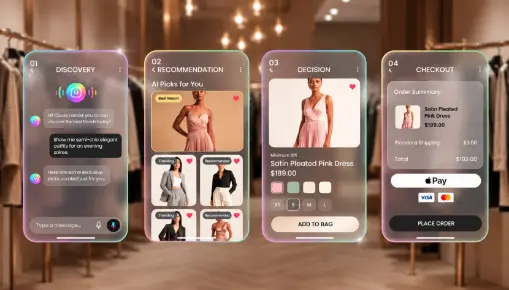
Unified Commerce vs Omnichannel: What’s the Difference?
The omnichannel vs unified commerce debate is not about choosing a winner. It is about identifying the approach that best supports your customer...
KNOW MORE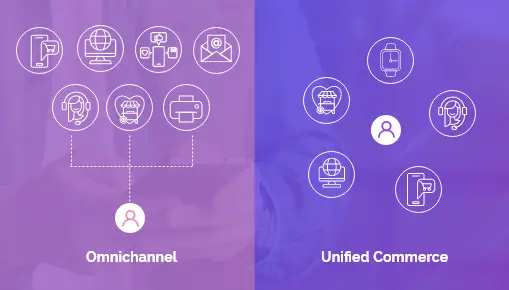
How ERP Integration Simplifies Multi-Store eCommerce
eCommerce connectors make this synchronization possible, linking platforms without forcing teams to manage information store by store. The result...
KNOW MORE – 1 2.webp)
Multi-Store eCommerce Migration: The Complete Enterprise Guide
If you're running more than one storefront right now, you already know the feeling. One team is fighting inventory mismatches on Store A. Another is...
KNOW MORE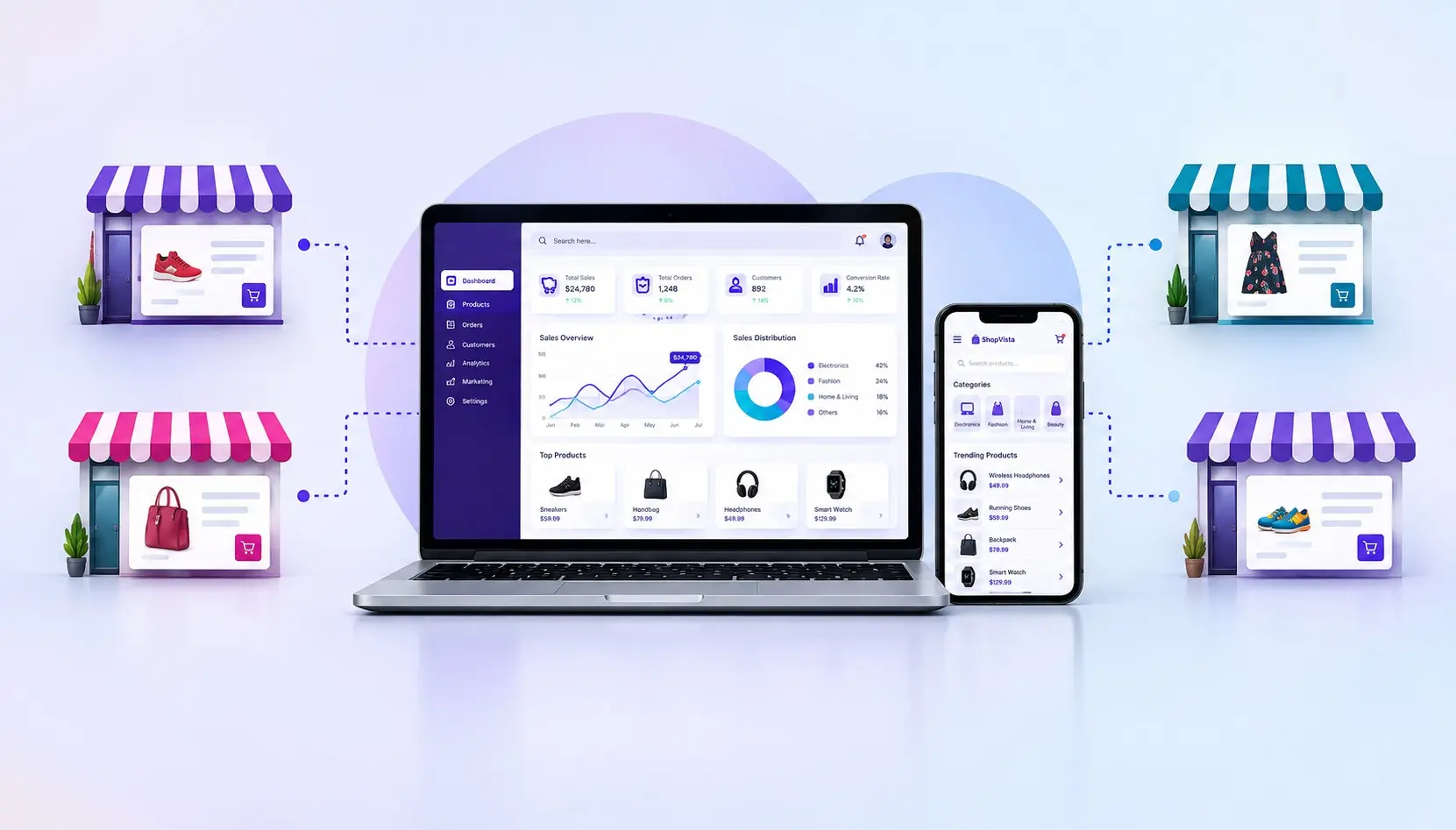

Advanced AI Security for your Online Store by Diginyze
Cyber Security for eCommerce
Diginyze: Discover the Future of eCommerce Analytics
Diginyze eCommerce Analytics
AI-Driven eCommerce Marketing with Diginyze
eCommerce
Diginyze's AI Search for eCommerce Store
AI in eCommerce
Diginyze's AI-Powered Intelligent eCommerce Platform
AI-Powered eCommerceDiginyze's AI-Native eCommerce for B2B, B2C & Marketplaces
AI-Native eCommerceCase Studies




Your Digital Transformation Starts Here!
Join thousands of businesses transforming with Diginyze. Sign up today and start now!