

Introduction
In today’s world, data is more valuable than ever, and protecting customer information is a top priority for any eCommerce business. The General Data Protection Regulation (GDPR) is a law designed to protect the personal data of EU citizens, but its implications are far-reaching, affecting eCommerce businesses worldwide. If you own or operate an online store, ensuring that your business complies with GDPR is essential not just to avoid hefty fines, but to build trust with your customers.
In this guide, we’ll walk you through everything you need to know about GDPR compliance for eCommerce businesses, including actionable steps you can take today to keep your business on the right side of the law.
What is GDPR and Why Does It Matter for eCommerce?
GDPR stands for General Data Protection Regulation. It’s a regulation in the European Union (EU) that sets guidelines for the collection and processing of personal data of EU citizens. While it was introduced in 2018, it continues to have a significant impact on businesses around the world that handle personal data.
Fact: GDPR applies to over 500,000 businesses worldwide, even those outside the EU that process EU citizens' data
So why should an eCommerce business like yours care about GDPR?
- You collect customer data : If you run an online store, you likely collect personal information like names, emails, and payment details from customers. GDPR ensures that you handle this data securely and responsibly.
- Penalties for non-compliance : GDPR violations can lead to hefty fines. Businesses can be fined up to €20 million or 4% of their annual revenue whichever is higher. That’s a significant amount of money you want to avoid losing.
- Building trust with customers : GDPR isn’t just about avoiding fines it’s about demonstrating to your customers that you take their privacy seriously. When you’re transparent about how you handle their data, they’re more likely to trust you and return to your store.
2. Key GDPR Compliance Requirements for eCommerce Businesses
To ensure you’re meeting GDPR requirements, here are some key points that every eCommerce business needs to keep in mind:
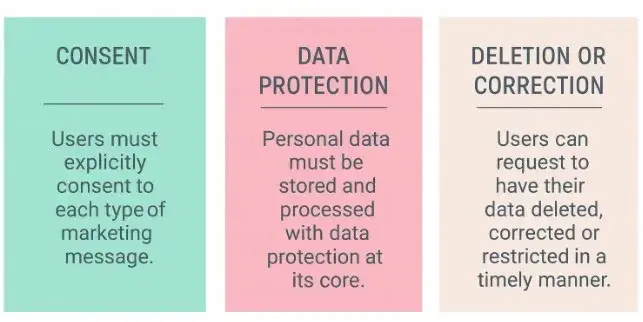
Data Protection by Design and by Default
This means that you need to embed data protection measures right into your processes and business operations, not as an afterthought. For example, you should limit the collection of customer data to only what’s necessary for your operations, and ensure it’s safely stored.
Customer Consent
Under GDPR, consent is king. You must explicitly ask for consent from customers before collecting or processing their personal data. This means no pre-checked boxes! For example:
- Cookie consent : When visitors come to your website, you need to show them a pop-up asking for consent to use cookies. You can’t just assume that they agree.
- Sign-up forms : If you’re collecting personal data (like email addresses), ensure that customers clearly understand what they’re consenting to.
Data Subject Rights
Under GDPR, customers are granted various rights regarding their personal data. These include:
- Right to access : Customers can ask you to provide all the data you have about them.
- Right to rectification : If a customer’s data is wrong, they can ask you to correct it.
- Right to erasure : Customers can ask you to delete their data if they no longer want to do business with you.
- Right to portability : Customers can request their data in a format that’s easy to transfer to another service.
- Right to object : Customers can object to how you use their data, especially if it’s for marketing purposes.
Data Breach Notifications
If a data breach occurs (such as a hacker accessing personal data), GDPR requires you to notify customers within 72 hours. You must also notify the appropriate authorities about the breach. Be sure to have a breach response plan in place to ensure a quick, effective response.
Did You Know? Over 60% of businesses that experience a data breach report a loss of customer trust and long-term damage to their reputation
To further strengthen your GDPR compliance and optimize your data operations, discover how Diginyze's data management solutions can help streamline your processes and ensure full compliance. Learn more here.
Third-Party Data Processors
If you use third-party services to process data (e.g., payment processors, marketing tools), you must ensure they’re GDPR-compliant as well. You’ll need a Data Processing Agreement (DPA) with each third-party vendor to confirm they’re following the same privacy standards.
Steps to Achieve GDPR Compliance for Your eCommerce Business
Achieving GDPR compliance may sound complicated, but it’s completely manageable with the right steps. Here’s what you can do to ensure your business is fully compliant:
1. Audit Your Data Collection Practices
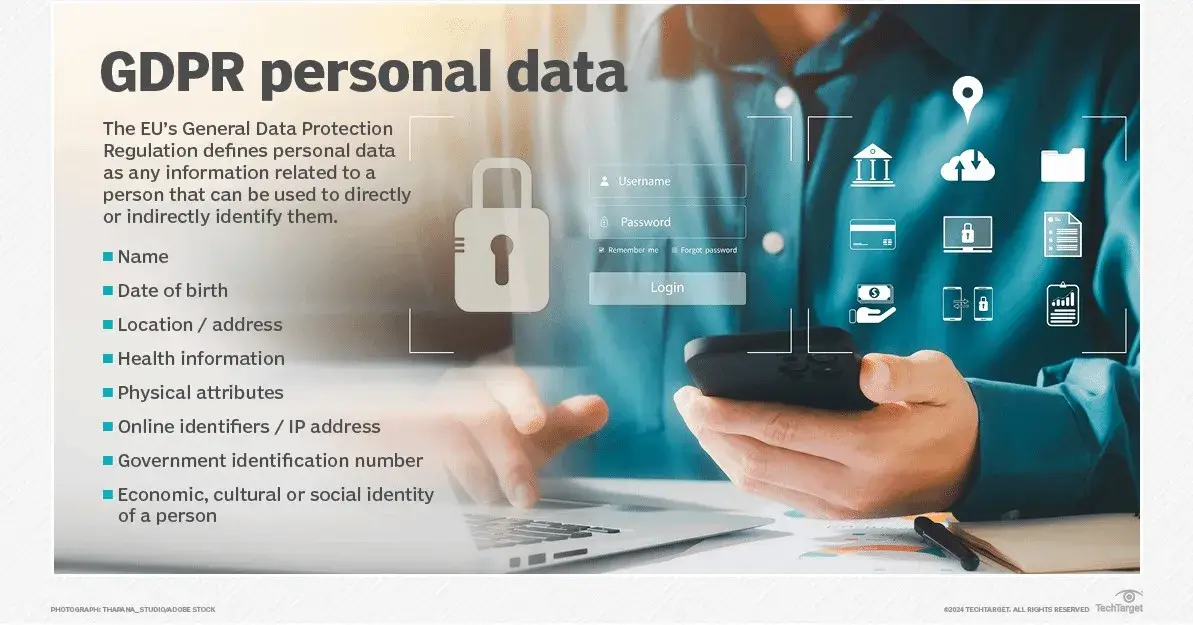
The first step is to figure out exactly what data you’re collecting from customers and why. This could include:
- Names and addresses for shipping
- Email addresses for communication and marketing
- Payment details for purchases
Collect only the data that is necessary for your operations. Anything that’s not necessary should be avoided. This reduces your risk and ensures you’re adhering to the data minimization principle in GDPR.
Also Read - The Power of First-Party Data in eCommerce
2. Revise your Privacy Policy and Terms of Service
Your privacy policy must clearly state how you collect, store, and use customer data. You need to:
- Mention that you’re collecting personal data and why.
- Provide information about how long you’ll keep their data.
- Detail how customers can request access, correction, or deletion of their data.
Also, make sure your terms of service reflect GDPR compliance, especially in terms of user rights.
3. Obtain Explicit Customer Consent
Ensure that your website collects explicit consent before processing customer data. Here’s how:
- Use a clear opt-in form for collecting email addresses.
- Set up a cookie consent prompt to request user permission before placing cookies on your site.
- For payments, make sure the user knows they’re providing personal data and agrees to it.
4. Implement Strong Data Security Measures
Data security is a crucial part of GDPR compliance. Here’s how you can protect customer data:
- Use SSL encryption to protect transactions and sensitive information on your website.
- Regularly update passwords and employ secure authentication methods.
- Employ firewalls and encryption to secure customer data during transmission and while stored.
5. Prepare for Data Subject Requests
Have a system in place for handling customer requests to access, correct, or delete their data. These requests must be addressed within 30 days.
Source - TechTarget
4. Tools and Resources for GDPR Compliance in eCommerce
There are several tools and resources available to help you manage GDPR compliance effectively:
- GDPR Compliance Software : Platforms like OneTrust or CookieYes can automate many aspects of GDPR compliance, from cookie consent to managing data subject requests.
- Third-Party Vendor Compliance : Ensure that all the third-party services you use (payment processors, marketing tools) are GDPR-compliant. This includes checking their privacy policies and signing Data Processing Agreements (DPA).
- GDPR Checklists and Templates : You can use templates for your privacy policy, terms of service, and data protection notices. Websites like GDPR.eu provide free resources to guide you.
5. How to Stay Updated with GDPR Regulations
GDPR regulations aren’t static they can evolve over time. Here's how you can stay informed about updates:
- Regularly review your compliance : Schedule periodic reviews to ensure your website and practices are up to date with the latest GDPR requirements.
- Follow authoritative sources : Stay informed by following blogs, legal sites, and industry news on GDPR updates.
- Consult with privacy experts : If in doubt, consider consulting with a legal expert to make sure your business remains compliant.
Interesting Fact - 75% of consumers believe that brands should be transparent about how their data is used” (Source: Deloitte)
6. Conclusion
Achieving GDPR compliance is crucial, and with the right approach, you can safeguard your customers’ data and avoid penalties. It’s not just about following the law it’s about building trust and credibility with your audience.
Diginyze, an AI-powered eCommerce platform, comes with built-in GDPR compliance, ensuring that your customers' data is secure and ethically managed. With Diginyze, you can seamlessly integrate data protection into your business operations.
Start protecting your customers and stay compliant today. Book a free demo now to see how Diginyze can help elevate your eCommerce business!
FAQs
1. Does GDPR apply to eCommerce businesses outside the EU?
Yes! If your business handles personal data of EU citizens, you must comply with GDPR, even if your business is based outside the EU.
2. How frequently should I revise my privacy policy?
You should update your privacy policy whenever there are changes in your data processing practices, or at least once a year. Always ensure it reflects the latest regulations and practices.
3. What happens if I fail to comply with GDPR?
Failure to comply can result in significant fines up to 4% of your annual global revenue or €20 million, whichever is higher. It can also harm your business reputation and customer trust.
4. How does GDPR affect my eCommerce store’s cookie usage?
Under GDPR, you must obtain explicit consent from users before placing cookies on their devices. Use a cookie consent banner that allows users to opt in or out before cookies are used.
5. How do I collect valid customer consent?
Consent must be given freely, explicitly, and in a clear, understandable manner. Use unchecked opt-in boxes, avoid pre-checked options, and ensure users know what data they are agreeing to share.
6. What is "data portability," and how does it affect my business?
Data portability allows customers to request a copy of their data in a machine-readable format to transfer it to another service. Make sure you can provide this easily if asked.
7. How do I handle customer requests to access or update their data?
GDPR gives customers the right to access their data and request corrections or updates. You must respond to these requests within 30 days and provide the necessary information in a clear format.
8. How do I ensure my third-party vendors comply with GDPR?
You must have Data Processing Agreements (DPAs) with third-party vendors, ensuring that they handle customer data in compliance with GDPR. This applies to services like payment processors, marketing platforms, etc.
9. What are the penalties for not notifying a data breach within 72 hours?
Failure to notify the relevant authorities and customers about a data breach within 72 hours can lead to severe penalties and may further damage your business reputation.
10. Do I need to appoint a Data Protection Officer (DPO)?
A DPO is not mandatory for all businesses, but if your company processes sensitive data regularly or operates at a large scale, it may be required. A DPO helps oversee data protection compliance.
11. Is GDPR compliance mandatory for all eCommerce businesses?
Yes, GDPR applies to all eCommerce businesses that process personal data of EU citizens, regardless of where the business is located.
12. How do I know if a third-party tool I use is GDPR-compliant?
Review the privacy policy of the third-party vendor and check if they provide a Data Processing Agreement (DPA) that aligns with GDPR requirements.
13. What is "data protection by design and by default"?
This means integrating data protection measures into your processes from the outset and by default, ensuring that privacy and security are built into the way you handle data at every step.
14. How do I protect customer data on my website?
Implement robust security measures such as SSL encryption, secure payment gateways, strong password protocols, and regular security updates to protect customer data from breaches.
15. What should I include in my website’s privacy policy under GDPR?
Your privacy policy should include details on how you collect, process, and store customer data, the rights customers have over their data, how long data is stored, and how customers can contact you to exercise their rights.
16. Can I still use personal data for targeted ads under GDPR?
Yes, but you need explicit consent to use personal data for targeted advertising. You must also allow users to withdraw consent at any time.
17. How can I audit my website for GDPR compliance?
Perform a data audit to review what personal data you’re collecting, where it’s stored, how it’s processed, and how long you keep it. Use GDPR compliance tools and checklists to ensure all aspects of your business meet GDPR standards.
Recent Blogs
The latest insight into technology and Ecommerce
AI Chatbot for eCommerce: The 24/7 Strategy to Drive 70%+ Conversions and Scale
Did you know? 71% of Gen Z customers buy items via chatbots and 40% of customers use retail digital assistants.
KNOW MORE
AI for Small Retailers: How to Thrive in the E-Retail Revolution
Did you know that U.S. eCommerce sales are expected to hit a record $1.192 trillion in this year, up from $571 billion in 2019?
KNOW MORE
AI-Powered vs. Traditional eCommerce Website Builder: Don’t Get Left Behind!
Choosing the right eCommerce Website Builder is crucial for any eCommerce business.
KNOW MORE
Why Top U.S. Enterprises Are Ditching Legacy eCommerce for AI-First Platforms Like Diginyze
Did you know that U.S. eCommerce sales crossed $1.1 trillion in 2024, yet over 64% of enterprise brands say .....
KNOW MORE
How AI Personalization is Driving a 25% Sales Surge
Did you know? AI-powered search functionalities can increase eCommerce conversion rates by up to 43%, significantly enhancing the efficiency of online shopping platforms. In today's fast-paced eCommerce world, time is of the essence. Customers are no longer willing to sift through endless pages of products just to find what they’re looking for.
KNOW MORE
AI Overviews are Killing Your Traffic: What to do in 2026 and Beyond
Google’s AI Overviews are reshaping search visibility in 2026, causing traffic drops across eCommerce.
KNOW MORE

Advanced AI Security for your Online Store by Diginyze
Cyber Security for eCommerce
Diginyze: Discover the Future of eCommerce Analytics
Diginyze eCommerce Analytics
AI-Driven eCommerce Marketing with Diginyze
eCommerce
Diginyze's AI Search for eCommerce Store
AI in eCommerce
Case Studies




Your Digital Transformation Starts Here!
Join thousands of businesses transforming with Diginyze. Sign up today and start now!